
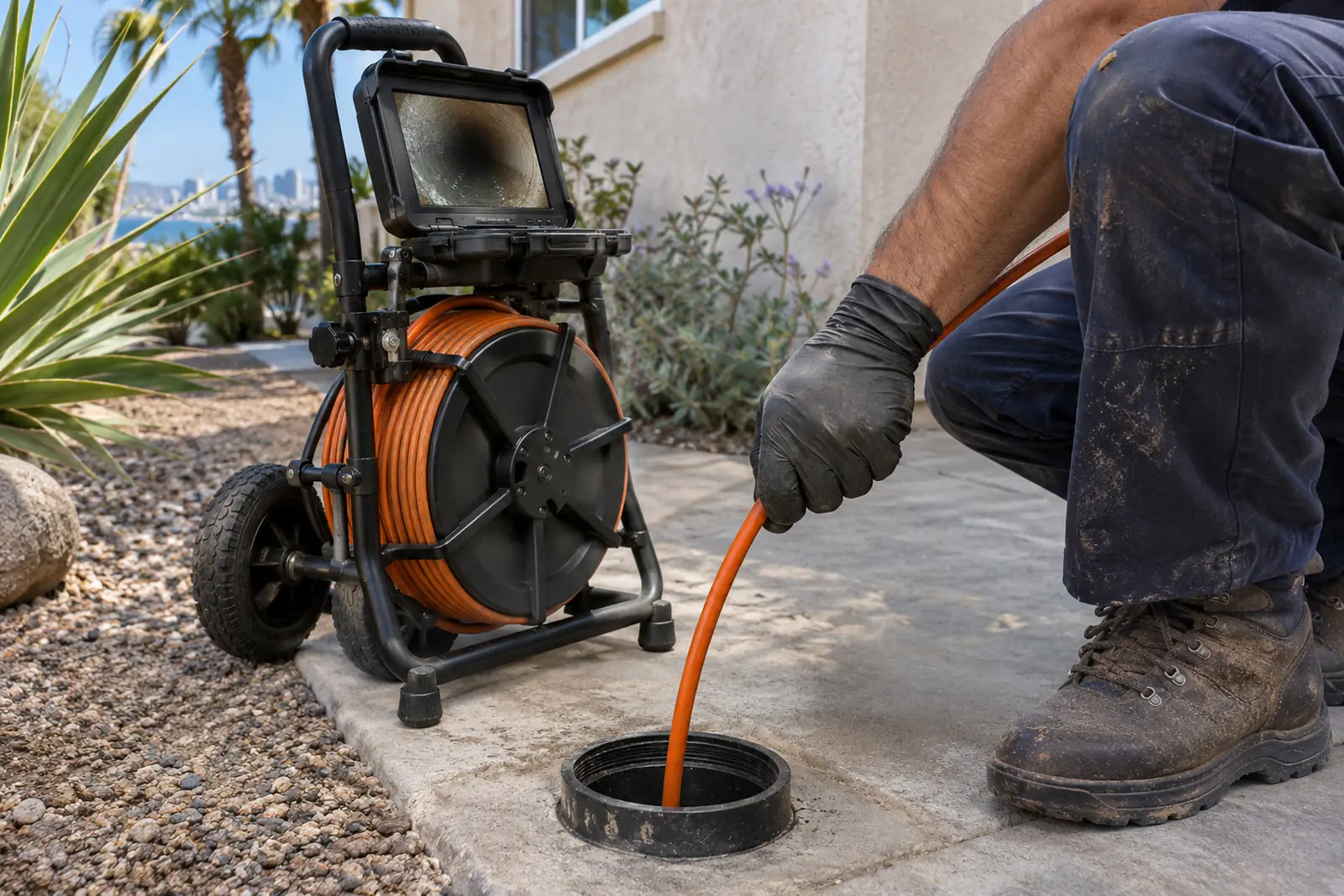
Questions a camera inspection can help answer
An inspection can help distinguish a visible obstruction from cracks, root growth, separated joints or other conditions within the viewed section. It is useful when blockages recur, a repair estimate needs evidence or a buyer wants to understand accessible sewer piping before a purchase. The value comes from interpreting the recording, not merely placing a camera in the line.
A camera does not show everything around a buried pipe. An obscured lens, standing water, deposits or a blockage may limit what can be assessed. Ask the inspector to identify which sections were actually viewed and which were not. A report should not quietly turn an incomplete inspection into a statement that the entire sewer is sound.
When inspection is the next step
Choose a recorded assessment when you need to understand an uncertain diagnosis or compare a proposed repair with actual evidence. It can also document accessible piping before and after work. Tell the operator what decision the inspection needs to support: recurring stoppage diagnosis, purchase evaluation, repair planning and completion review are not identical assignments.
When buildup prevents a useful view, appropriate cleaning may need to come before a complete assessment. Ask the operator what can be safely seen first, whether a cleaning charge is separate and whether the camera will return through the cleaned section. Consider sewer hydro jetting.
An active overflow needs immediate control and professional assistance, not just a future recording appointment. Diagnosis remains important, but stopping wastewater discharge and addressing the current hazard take priority over collecting footage for a later comparison. Read emergency sewer guidance.
Sewer Camera Inspection: step by step
- 01
Define the inspection assignment
Describe symptoms and the intended use of the findings. Agree the section to be assessed, whether locating is included and the deliverables: footage, still images, written interpretation and any record of incomplete access.
- 02
Establish an access point
The operator checks available access through a cleanout or another appropriate point. A cleanout is a capped opening into the drainage pipe. Ask about additional charges before authorizing removal of fixtures or creating new access.
- 03
Record the accessible pipe
The camera is advanced through the suitable passage while the operator observes conditions. Ask the inspector to relate footage to the access point and note where water, buildup or geometry limits interpretation of a particular segment.
- 04
Locate relevant findings
Where locating is part of the equipment and scope, ask how defects are associated with surface positions and estimated depth. A camera distance reading alone should not be treated as a complete excavation map without clarification.
- 05
Explain next steps
Review the findings with the operator before discussing repair. Separate observed facts from recommendations and uncertainty. Obtain a shareable copy of the results and ask which additional checks are needed before selecting a method or approving excavation.
How long inspection and reporting take
The camera visit and the finished report can have different timelines. Access difficulties, cleaning needs and a blocked passage can extend or interrupt the assessment. Ask how much time is allowed for the accessible route, whether footage is handed over during the visit and when a written interpretation will be available.
Camera inspection cost drivers
An inspection quote should say whether it covers entry only, a recorded survey, locating and a written explanation. Length, access, multiple branches and the need to clean an obscured line can change the work. Find out whether the fee still applies if the camera cannot pass a blockage and what that limited visit will document.
Keep repair estimates separate from the inspection authorization. A recommendation may emerge during the visit, but you should still have time to review footage and compare the scope. Confirm whether obtaining your recording requires an additional charge and whether a second trip after cleaning is included.
Sewer Camera Inspection price range
Sewer Camera Inspection figures are published planning estimates, not a SD Sewer Repair quote. Final pricing requires a camera inspection.
Get sewer camera inspection options for your property
Two quick steps. No payment and no obligation to hire.
Get sewer camera inspection options in San Diego
Step 1 of 2
Help the inspector see the relevant line
Gather prior recordings, invoices and a short timeline of stoppages. Identify affected fixtures and any known access points without opening a backed-up cleanout. Clear the equipment path and tell the inspector about locked gates, tenant access or areas where the route may pass beneath finished surfaces.
Get a clear answer on how to share the recording after the visit and what format the report uses. If an agent, buyer or property manager needs the findings, arrange that delivery with the inspecting professional. Leave fixtures in the condition requested by the operator and disclose recent cleaning or chemical treatment that may affect precautions.
San Diego inspection findings and repair permits
A diagnostic camera assessment is not the same scope as changing sewer piping. If findings lead to a repair, the City’s Simple “No-Plan” guidance lists sewer piping repairs, and right-of-way work has separate requirements. The City’s responsibility guidance also makes defect location important: owner maintenance extends to the main, while repair arrangements differ across the property boundary.
Sewer Camera Inspection FAQs
Can a camera prove the pipe is watertight?
A recording documents visible internal conditions; it is not automatically a pressure or leakage test. Ask which conclusions the inspector can support and which need another method. A clean-looking passage should not become an unsupported guarantee.
Will the inspection include pipe locating?
Only when equipment and the agreed scope provide it. Confirm whether the report marks significant findings at the surface and states estimated depth. Video distance measurements and a mapped defect location are not interchangeable deliverables.
What if the camera cannot reach the main?
The report should identify the stopping point and the reason access ended. Ask what remains uninspected and whether cleaning or another access point may allow a fuller review. Do not accept an incomplete route as a complete assessment.
Should I keep the raw sewer video?
Yes, request a usable copy alongside the interpretation. It lets another contractor review the observed condition and compare repair recommendations. Request an explanation of how footage is labeled so the access point and inspected section remain understandable later.
Can an inspection tell me which repair to choose?
It supplies evidence for that decision but does not replace a full site assessment. Access, layout and the proposed repair design also matter. Ask the contractor to connect each recommendation to a specific finding and explain why alternatives were rejected.
Related sewer services
Sewer line replacement
Identify damage and route issues before considering excavation.
Sewer line replacement