
Which symptoms need an urgent response?
Sewage escaping from fixtures or a sewer opening, a property-wide stoppage and wastewater moving toward the street justify prompt professional attention. Do not keep flushing or running appliances to test whether the line has cleared. The City advises turning off water immediately to control flow and preventing sewage from entering storm drains.
A severe backup does not by itself prove that the sewer needs full replacement. A blockage can produce an urgent overflow, while a structural break may need a different repair after the immediate problem is controlled. Ask the responding professional to separate the current containment or clearing task from the evidence supporting permanent pipe work.
Urgent control first, permanent repair second
Use an urgent service call when sewage is actively escaping or the property cannot safely use its sewer. The initial scope should identify how the immediate situation will be controlled, what can be diagnosed safely and when permanent repair decisions will be made. Ask the provider to explain availability and charges before assuming an emergency label means a confirmed arrival.
If the professional identifies a cleanable obstruction in a suitable pipe, clearing may be the appropriate immediate intervention rather than replacement. Cleaning is not suitable for every condition, and restoring flow does not prove that no structural defect remains. Review hydro jetting for suitable blockages.
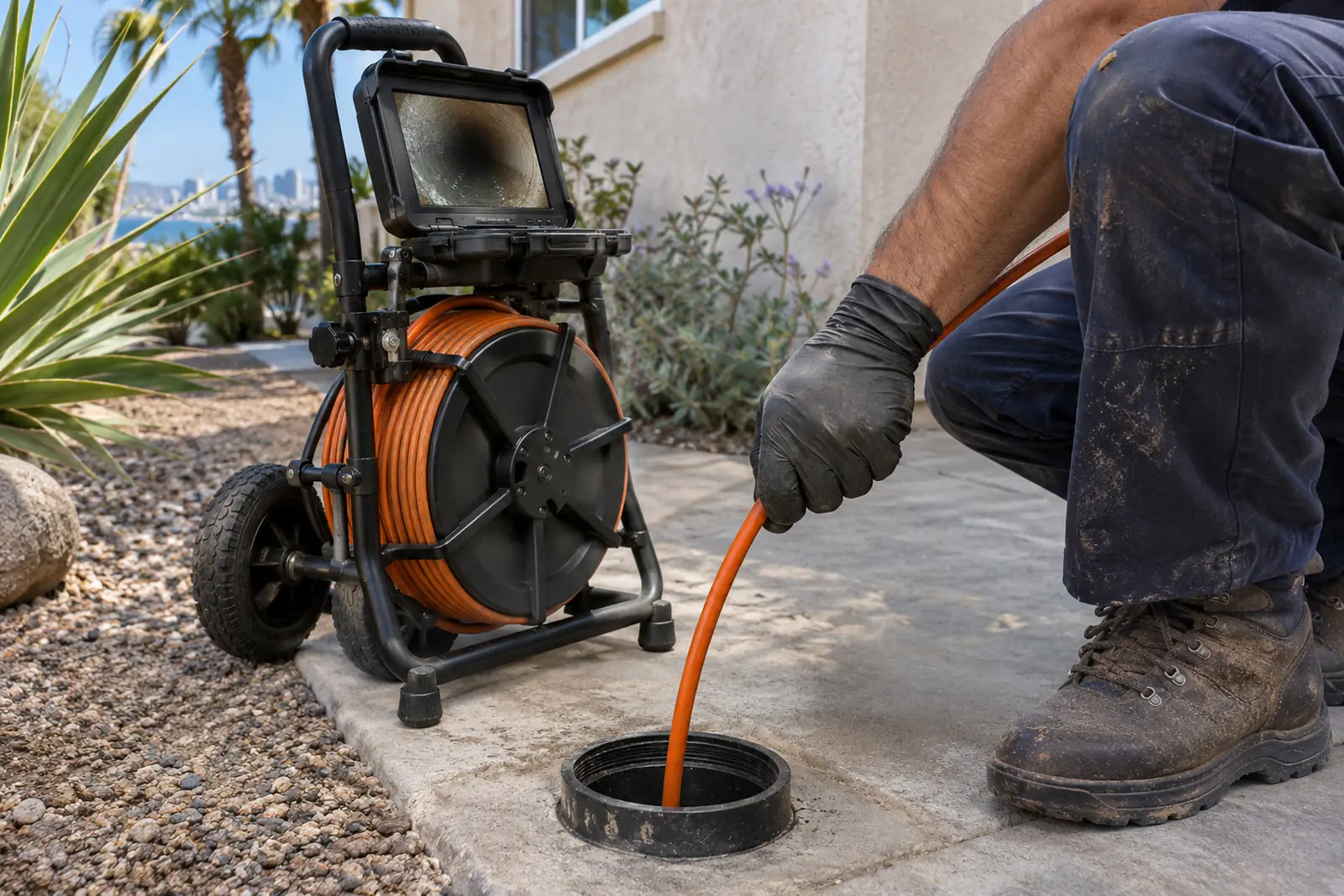
Once the incident is stable, inspection may be the better next step before authorizing an extensive repair. Ask for footage and a documented location if the cause remains uncertain, especially after a repeated backup or a temporary clearing attempt. Plan a sewer camera inspection.
Emergency Sewer Repair: step by step
- 01
Limit wastewater discharge
Stop using fixtures and water-consuming appliances during the overflow. Seek professional assistance without waiting on this site’s request form. Describe where sewage is emerging and whether it is moving toward public surfaces or a storm drain.
- 02
Explain the incident to the provider
Give the responding professional the affected fixtures, start time and any recent clearing or repair history. Ask about actual availability, the callout charge and what the initial visit includes before treating a phone conversation as a booked repair.
- 03
Control and diagnose the failure
The professional assesses access, containment and the likely cause. Check whether the immediate task is clearing a stoppage, investigating a break or coordinating with the City. Keep the initial authorization clear enough to distinguish stabilization from permanent work.
- 04
Agree a permanent repair if needed
Review the evidence for structural damage and the proposed repair location. Confirm permits and responsibility before authorizing excavation or rehabilitation. Urgency should not erase the need for an understandable written scope and an explanation of alternatives.
- 05
Verify recovery and next actions
Ask when fixtures can be used, what cleanup remains and whether further inspection is required. Keep incident photographs taken from a safe location, the diagnosis and service records. Discuss any remaining vulnerability instead of assuming a cleared line cannot back up again.
Arrival time is different from repair time
An emergency response has at least three separate timing questions: when a professional can attend, when the current overflow can be controlled and when any permanent repair can be completed. Ask each one directly. Equipment, access, diagnosis and approval requirements may keep a structural repair from being completed during the first visit.
Emergency sewer cost drivers
Find out whether the provider has a callout or after-hours charge and whether that charge includes diagnosis or only attendance. Cleaning, containment assistance, camera work, permanent repair and restoration may be different scopes. A quoted emergency visit amount should not silently become authorization for a much larger sewer replacement.
Emergency Sewer Repair price range
After-hours rates vary for emergency sewer repair; ask the provider to explain attendance, stabilization and repair charges before approving work. No fixed emergency price is offered here.
Review the cost guide before approving additional sewer work
Get emergency sewer repair options for your property
Two quick steps. No payment and no obligation to hire.
Get emergency sewer repair options in San Diego
Step 1 of 2
What to do while arranging help
Warn occupants not to run water or use backed-up fixtures, and keep access clear for the responding professional without opening sewer caps yourself. Make known cleanout locations and past inspection records available. Describe any chemicals recently used so the professional can assess precautions around the blockage and wastewater.
Gather the property address, safe contact number and a concise symptom history. Take photographs only from a safe position and keep people away from the contaminated area. Do not redirect sewage into a storm drain or attempt confined-space entry. Follow the professional’s instructions for containment, cleanup and returning the building to normal use.
San Diego overflow and repair responsibilities
Private-property repairs and maintenance to the main remain the owner’s responsibility. A licensed plumber can report a verified right-of-way failure for City review. The detailed lateral policy considers loss of sewer facilities, maintenance and access: City work is not automatically free, neglected maintenance may be billed, and private plumbing expenses are not reimbursed. Easements have different rules. An urgent private call does not authorize public excavation; confirm permits for any subsequent work.
Emergency Sewer Repair FAQs
Should I keep flushing to test a sewer backup?
No. During an overflow, stop water use rather than adding wastewater. The City advises turning off water to control flow. Describe the affected fixtures to a professional and wait for instructions on when normal use is appropriate.
Does an urgent backup mean the sewer is broken?
Not necessarily. A blockage and a structural break can both interrupt flow. The response should control the incident and establish the cause before permanent work is chosen. Ask for evidence rather than accepting the severity of symptoms as the diagnosis.
What does the call button connect me to?
The call button dials (805) 232-3911, the SD Sewer Repair sewer help line, which connects you with a licensed San Diego sewer contractor. The online form is slower and is not a dispatch request, so call during an active backup.
Who handles a break beyond my property line?
Have a licensed plumber locate the failure and contact the City for qualifying right-of-way review. Access, maintenance and loss of sewer facilities affect assistance; billing can apply and easements follow different policies. A defect beyond your property line is not automatically a free City repair or a reimbursable private job.
What should I ask before approving emergency replacement?
Ask what damage was found, where it is, why clearing or a smaller repair is unsuitable and what the full scope includes. Confirm permission and inspection requirements. Urgency does not make an unexplained replacement recommendation enough information to approve.
Related sewer services
Sewer line replacement
Evaluate permanent new-pipe work only when the findings justify it.
Sewer line replacement